
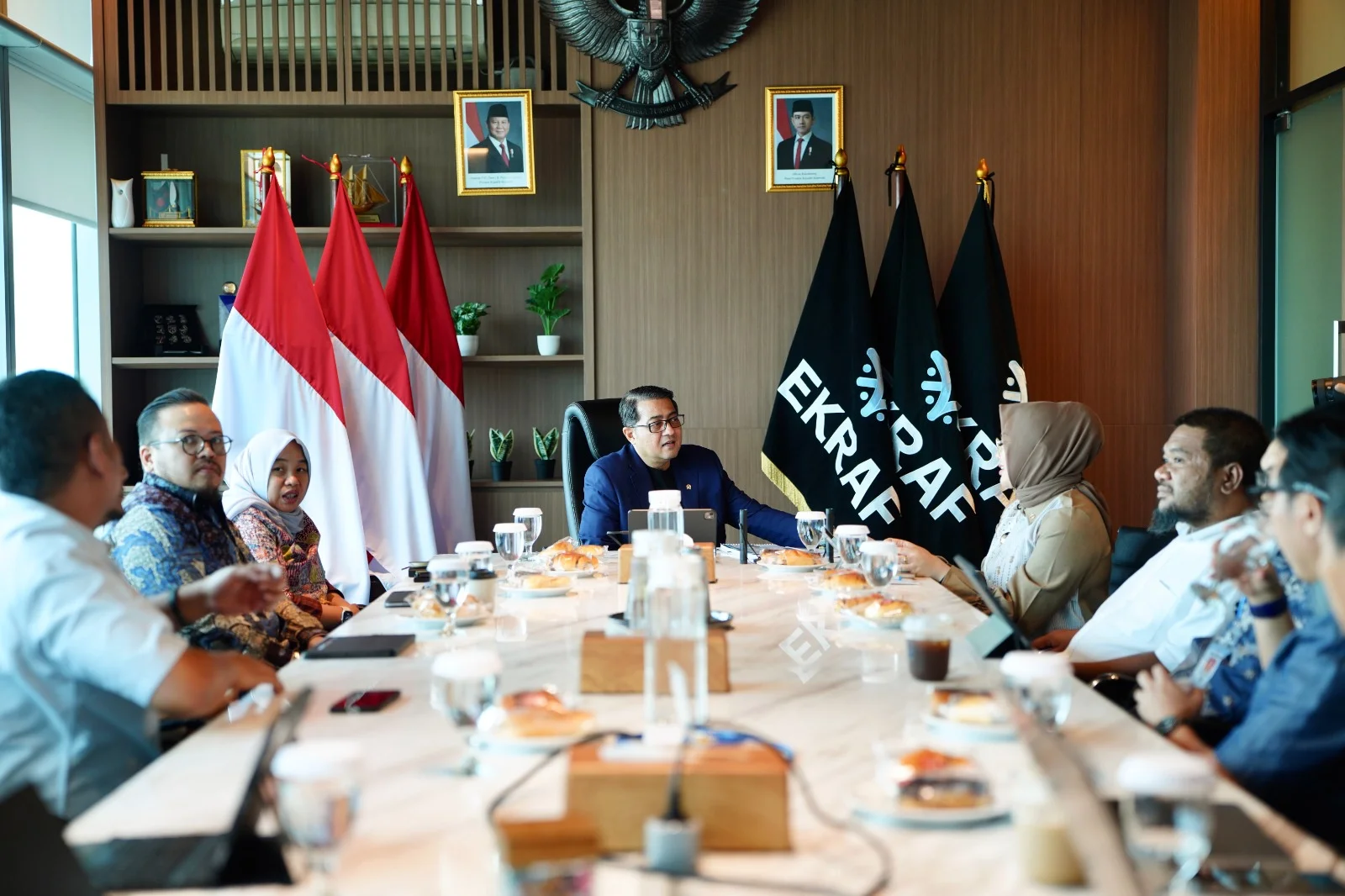
JAKARTA – Indonesia’s Ministry of Creative Economy and the Green Building Council Indonesia (GBCI) have joined forces in a creative partnership to promote green building concepts.
This action aims to make sustainability more accessible to the public, especially younger generations.
Making Sustainability “Down-to-Earth”
In a meeting on Wednesday, Indonesia’s Deputy Minister of Creative Economy, Irene Umar, highlighted the need to present environmental issues in relatable ways.
She emphasized that while young people genuinely care about sustainability, the challenge lies in delivering the message through interactive channels.
“We want sustainability to become something down-to-earth and easy to understand. Young people today have great concern for environmental issues. It’s about how we create collaborative spaces and creative approaches so that this message of sustainability is more widely accepted,” said Irene Umar, Deputy Minister of Creative Economy.
According to Umar, movies, public events, and collaborations with influencers are effective tools for spreading awareness about green literacy.
She emphasized that sustainable lifestyles align with strengthening the creative economy as a “new engine of growth” for Indonesia’s “Golden 2045” vision.
From Certification to Community Action
GBCI, a non-profit member of the World Green Building Council, announced plans for a “Green Building Festival” in September 2026. A highlight is “Green Building Goes to Kampung” (village), which brings simple, applicable eco-practices to local communities.
Deputy Minister Umar suggested a broader perspective: green buildings should not be viewed only as certifications for large structures.
“We want the concept of sustainability to be understood down to the smallest community level,” she said. “When people directly feel the benefits—energy savings, waste management, healthier environments—change happens more easily.”
GBCI Chair Ignesjz Kemalawarta noted that the talks also covered green financing, smart sensor technology for energy efficiency, and strengthening low-carbon building ecosystems to help meet national emission reduction targets.
The collaboration indicates a growing recognition that creative industries can be powerful catalysts for environmental education and grassroots change.
Source: ANTARA News
Feat Image: rri.co.id
