
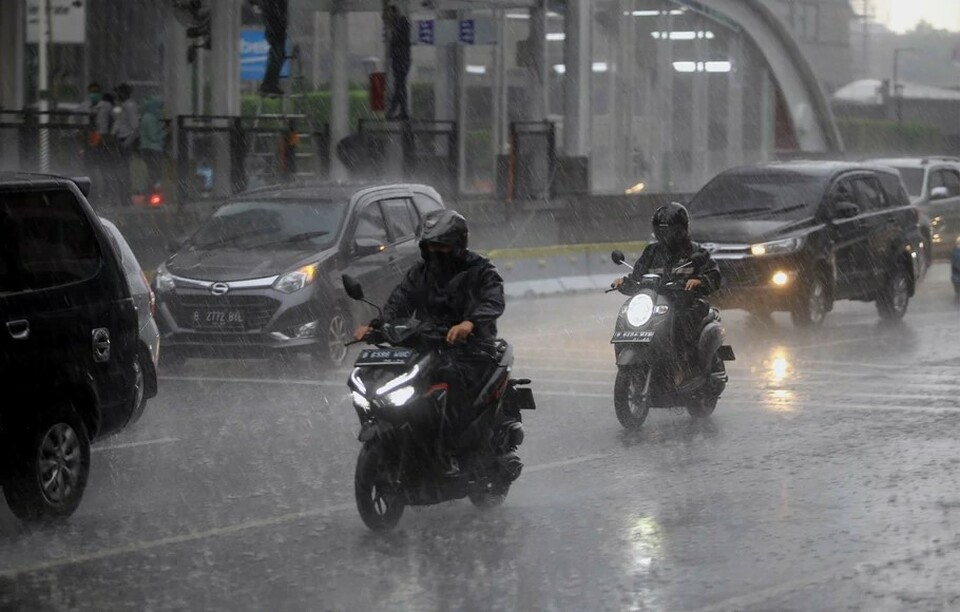
Jakarta authorities have issued an early warning for heavy to very heavy rainfall across Jakarta and the Thousand Islands (Kepulauan Seribu) through February 28, 2026, raising concerns over potential flooding and waterlogging. The alert was announced by the Jakarta Disaster Mitigation Agency (BPBD), based on forecasts from Meteorology, Climatology, and Geophysics Agency (BMKG).
BPBD Chief Isnawa Adji urged residents to remain vigilant during the five-day period from February 24 to 28.
“Be alert for extreme weather, with heavy to very heavy rainfall expected between February 24 and 28. We urge the public to stay cautious and prepared for the potential impacts of extreme weather over the next few days.” Isnawa said in a statement, Thursday (26/2/2026), as reported by Merdeka.
Flood and Waterlogging Risk According to BPBD, intense rainfall could trigger hydrometeorological impacts, including localized flooding, rising river levels, and traffic disruptions in low-lying areas. Residents are advised to monitor official updates, particularly water level information and flood maps published through Jakarta’s disaster monitoring platforms.
Isnawa emphasized that preparedness is key to minimizing disaster risk. He encouraged households to prepare basic emergency supplies such as umbrellas, raincoats, and a ready-to-go emergency bag containing important documents and essential items.
“If you encounter an emergency that requires immediate assistance, please contact the Jakarta Siaga call center at 112,” he added.
Authorities also confirmed that personnel and equipment readiness has been strengthened to anticipate possible impacts across Jakarta’s five administrative cities and the Thousand Islands.
Why Rainfall Is Intensifying Separately, BMKG explained that the heightened rainfall is linked to rapid atmospheric changes in recent days. Stronger monsoon winds from Asia have accelerated cloud formation across western and southern Indonesia, increasing the likelihood of heavy downpours.
BMKG weather officials noted that thick cloud cover has expanded over several regions, supported by active Madden-Julian Oscillation (MJO) patterns and equatorial wave activity, both of which enhance convective cloud development.
In February 2026, rainfall levels across Indonesia are projected to range from low to high. Some provinces, including West Java and Central Java, could experience very high monthly rainfall exceeding 500 millimeters. Similar patterns are expected to persist into March, with moderate to high rainfall forecast in many areas.
Regions particularly prone to intense rainfall include western coastal zones, mountainous areas, and slopes where orographic effects strengthen precipitation. Coastal and open-water areas may also see stronger winds, especially around storm clouds, increasing the risk of sudden localized gusts.
Jakarta authorities advise residents to:
-Regularly monitor official weather and flood updates
-Avoid low-lying or flood-prone routes during heavy rain
-Secure important belongings and documents
-Contact emergency services at 112 if urgent assistance is needed
As Indonesia enters the peak of the rainy season, city officials are urging proactive preparation rather than reactive response to reduce potential disruption.
Source: Liputan6, Merdeka, VOI
Special Photo Credit: via investor.id
