
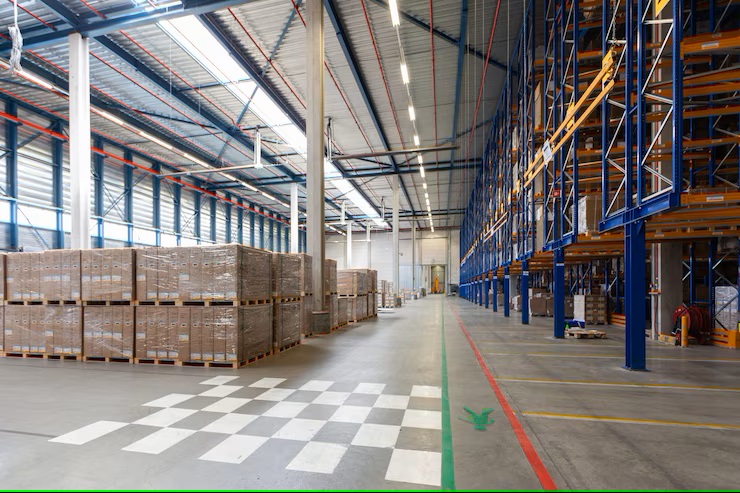
Indonesia’s modern warehouse market is tightening as demand accelerates across the logistics sector. Fueled by faster delivery expectations, rapid e-commerce expansion, and increasingly complex supply chains, warehouse facilities are evolving from basic storage spaces into critical components of business strategy.
Today’s logistics facilities are defined by systems rather than size alone. Real-time inventory tracking, standardized workflows, automation readiness, and controlled storage environments have become essential to maintaining efficiency and minimizing operational risk.
This evolution has positioned high-specification logistics facilities among the fastest-growing segments of Indonesia’s industrial property market. Expansion in e-commerce and third-party logistics (3PL), combined with stricter handling standards for consumer goods and electronics, continues to drive sustained demand.
Unlike conventional storage buildings, next-generation warehouses are engineered to meet higher technical benchmarks. Increased ceiling height, reinforced floor load capacity, raised flooring systems, and multi-level configurations enable operators to manage heavier volumes and integrate advanced handling technology.
According to Anton Sitorus, Head of Research & Consultancy at CBRE Indonesia, these facilities are designed to support greater operational efficiency and more complex storage requirements, including temperature-controlled goods. Reflecting robust demand, occupancy levels approached 95 percent by the end of last year.
Primary tenants include 3PL operators, e-commerce platforms, fast-moving consumer goods (FMCG) companies, and electronics distributors. Many firms opt to lease rather than develop their own facilities, preserving capital flexibility while adapting quickly to shifting demand cycles.
Limited Supply Supports High Occupancy
Development of modern warehouse projects requires significant capital investment and strict technical compliance, limiting the number of qualified developers. As a result, supply remains constrained—particularly in strategic areas near toll roads and major industrial estates, where efficient logistics access is essential.
The sector’s outlook remains positive as digital commerce expands and distribution networks require greater speed and reliability. At the same time, competition among developers is intensifying, especially in design innovation and technology integration. Multi-level warehouses with direct truck access to upper floors are increasingly visible in key logistics corridors.
Key Features Driving Business Demand
Companies evaluating modern warehouse space typically prioritize:
Clear Inventory Visibility
Structured bin systems and standardized inbound-outbound processes improve traceability, reduce discrepancies, and simplify audits.
Advanced Security Infrastructure
Controlled access systems, monitored entry points, and 24-hour surveillance enhance asset protection beyond conventional CCTV coverage.
Controlled Storage Conditions
Consistent hygiene standards, routine pest management, and flood mitigation measures reduce operational risks and protect inventory value.
Optimized Workflow Design
Well-defined receiving zones, staging areas, and efficient picking routes streamline movement and improve productivity.
Flexible Capacity Models
Modular storage solutions allow businesses to scale space according to seasonal demand without long-term overcommitment.
In dense urban markets such as Jakarta, flexible self-storage solutions are also gaining traction, providing cost-efficient space for slow-moving inventory, seasonal equipment, archived documents, and temporary buffer stock.
With occupancy nearing full capacity and demand continuing to rise, modern warehouses are set to remain one of Indonesia’s most resilient and promising industrial property segments.
Source: CNBC Indonesia. SpaceHub
Special Photo Credit: buildingpractice.biz
