
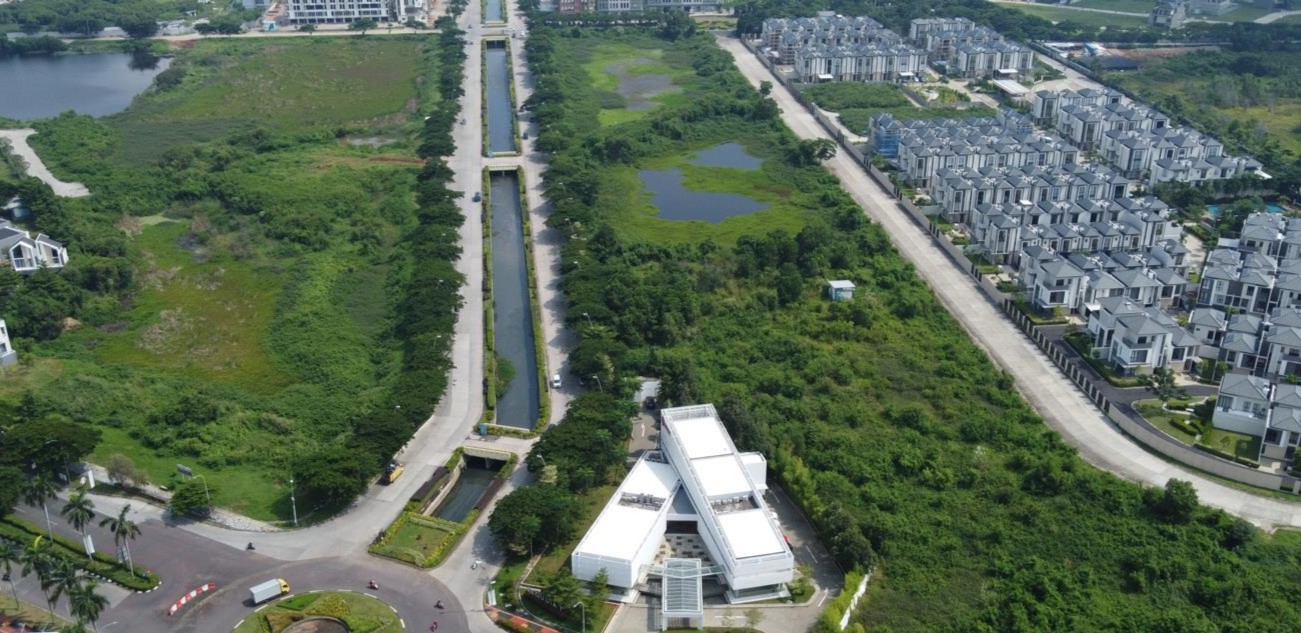
Land prices across Greater Jakarta (Jabodetabek) continued to post steady growth in the second half of 2025, reinforcing the capital’s position as Indonesia’s most expensive residential land market.
According to Cushman & Wakefield’s MarketBeat Greater Jakarta Landed Residential H2 2025 report, the average land price across Jabodetabek reached US$773 per sqm per square meter, reflecting a 0.84 percent increase compared to the previous semester and a 1.58 percent rise year-on-year. The moderate growth indicates a stable and healthy property market rather than speculative acceleration.
Jakarta Leads, Tangerang Close Behind
Jakarta recorded the highest land prices in the region, averaging US$983 per sqm per square meter, making it the most expensive area across Greater Jakarta.
Tangerang ranked second at US$899 per sqm, underscoring its growing appeal as a residential and investment hub. Large-scale housing developments in North and South Tangerang have significantly boosted new supply and buyer interest.
Other key areas remain more affordable but continue to see gradual appreciation:
Bekasi: US$666 per sqm
Bogor–Depok: US$542 per sqm
Karawang: US$413 per sqm
Infrastructure expansion and improvements in public facilities continue to support land value growth across the metropolitan area.
Mid-Market Homes Dominate Demand
Demand for landed housing increased by 5.6 percent at the end of 2025 compared to the previous semester. The mid-market segment — homes priced between US$60,600–US$121,200 — accounted for 26.4 percent of total transactions, making it the strongest-performing category.
Upper-middle homes captured 26.1 percent of the market, while high-end properties accounted for 25.4 percent, indicating balanced demand across income segments.
On the supply side, 4,523 new landed housing units were launched across Greater Jakarta and Karawang in the second half of 2025. Tangerang contributed 55 percent of total new supply, highlighting its continued role as a key residential growth corridor.
Hotels Slow, Retail and Offices Improve
Jakarta’s hotel sector softened in late 2025. Occupancy reached 63.5 percent in the second half, down 4.7 percent year-on-year. Government budget efficiency measures reduced official travel and corporate events, particularly impacting four-star hotels that rely heavily on government-related activities.
Meanwhile, the retail sector showed resilience. Mall occupancy reached 78.4 percent in Q4 2025, up 0.9 percent year-on-year and 1.4 percent quarter-on-quarter. Leasing activity was supported by expansion from both domestic and international brands, including several foreign retailers opening their first stores in Indonesia. Food and beverage outlets — particularly small-format beverage concepts such as milk tea shops — continued to drive foot traffic.
In Jakarta’s Central Business District (CBD), office occupancy increased 1.4 percent year-on-year in Q4 2025. With no new office supply added in 2025 and none expected in 2026, occupancy levels are projected to rise further. Indonesia’s economic growth forecast of 5.1–5.4 percent in 2026 is expected to support continued office demand.
Overall, the Greater Jakarta property market enters 2026 in a stable and cautiously optimistic position, supported by steady land price growth and improving commercial property fundamentals.
Source: Detik
Special Photo Credit: colliers.com
