
Indonesia’s House of Representatives (DPR RI) has called for stronger oversight of foreign nationals and improved immigration services, warning that weaknesses in both areas could undermine national security and the country’s global image.
Teuku Ibrahim, a member of Commission XIII of the DPR RI, emphasized the critical role of the Ministry of Immigration and Corrections in safeguarding Indonesia’s sovereignty, particularly through effective monitoring of foreign nationals’ presence and activities across the country. He noted that alleged immigration violations and illegal activities involving foreign nationals continue to surface in several regions and require serious, measured responses.
“In many regions, we often hear reports of foreign nationals engaging in illegal activities, such as illegal mining, including issues that recently emerged in my electoral district in Aceh,” Ibrahim said during a working meeting between Commission XIII and the Minister of Immigration and Corrections at the Parliament Complex in Jakarta on February 3, 2026, as quoted by dpr.go.id.
According to Ibrahim, tighter supervision at the regional level is essential to prevent violations of immigration law and to ensure that foreign nationals comply with visa conditions and residency permits. He stressed that immigration enforcement must be strengthened not only at entry and exit points, but also through consistent monitoring within Indonesia’s territory.
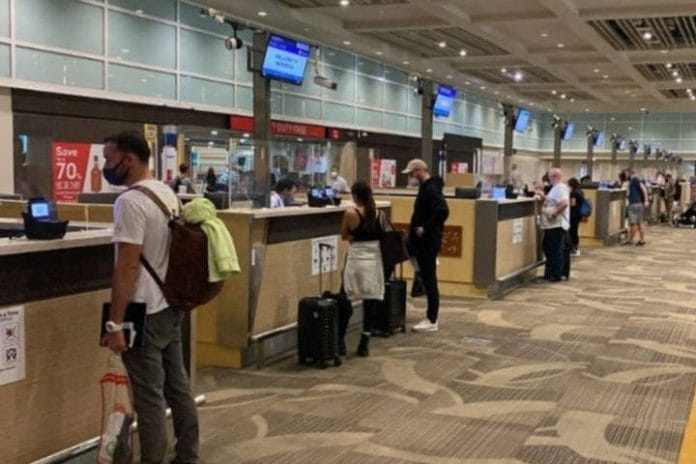
Beyond enforcement, Ibrahim highlighted the importance of immigration services as a key factor shaping international perceptions of Indonesia. He described immigration offices as the country’s “front window” to the world, noting that the quality of service experienced by foreign visitors often forms their first impression of Indonesia.
“Immigration services reflect the face of our country to other nations. The better the service, the better Indonesia’s image in the eyes of foreign citizens,” he said.
Ibrahim added that both immigration supervision and service quality should be treated as interconnected priorities. He urged the Ministry of Immigration and Corrections to place these two issues at the core of its 2026 work plan, arguing that national security and international reputation must go hand in hand.
“We believe these two issues—immigration services and the supervision of foreign nationals—must become a single main focus in the ministry’s 2026 work plan,” he concluded.
Responding to the concerns, Minister of Immigration and Corrections Agus Andrianto acknowledged the challenges and reaffirmed the government’s commitment to strengthening oversight and improving services. However, he pointed out that achieving these goals would require sufficient budgetary support.
Agus proposed allocating a small portion of the ministry’s Non-Tax State Revenue (PNBP) to fund enhanced supervision and system improvements. He noted that immigration-related PNBP reached approximately USD 633 million in 2025, significantly exceeding the initial target of about USD 394 million.
The minister explained that the revenue increase was driven by system upgrades, stronger internal and external monitoring, stricter law enforcement, and closer supervision of residency permits, visa classifications, and other immigration-related issues.
Lawmakers view these developments as a positive foundation but stress that sustained investment and policy focus are needed to ensure immigration oversight remains effective while service standards continue to improve in line with global expectations.
Source: dpr.go.id, RRI
Special Photo Credit: businesstoday.com
