
Indonesia is streamlining logistics for international events by offering a special customs facility that allows temporary imports without paying import duties or taxes. The Directorate General of Customs and Excise (DJBC) has made the ATA Carnet mechanism available to support global-scale activities ranging from concerts to exhibitions.
Often described as a “passport for goods,” the ATA Carnet simplifies the temporary entry of professional equipment into Indonesia, helping event organizers avoid complex import procedures and upfront tax payments.
According to Budi Prasetiyo, Head of Sub-Directorate for Public Relations and Education at the Directorate General of Customs and Excise, the facility is widely used to support international agendas, including exhibitions, film production, architecture projects, sports competitions, performing arts, research activities, and overseas music tours.
“With the ATA Carnet mechanism, event organizers do not need to pay import duties and import taxes as in regular import procedures, as long as all requirements are fulfilled and the goods are genuinely re-exported,” he said on Thursday (February 19, 2026), as quoted by DDTC.
What Is ATA Carnet?
The ATA Carnet functions as an internationally recognized customs document guaranteeing that goods entering a country are only temporary. Once the event or activity concludes, the equipment must be exported again.
Requirements for Using an ATA Carnet:
- The goods must not be consumable or used up during their stay.
- The goods must be easily identifiable for customs verification.
- The goods must not undergo any fundamental change in form, except for normal wear and tear resulting from their use.
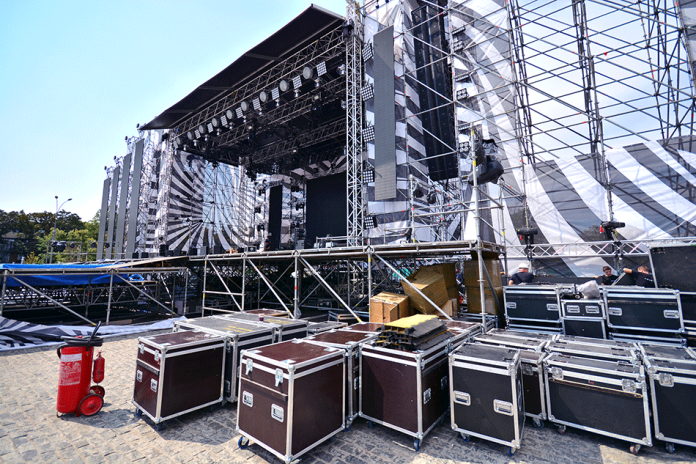
In practical terms, this means items such as musical instruments, sound systems, lighting equipment, filming gear, exhibition materials, or technical tools can enter Indonesia without triggering standard import taxes — provided they are not sold and are re-exported within the permitted timeframe.
Budi cited the recent Dream Theater: 40th Anniversary Tour 2026 as an example. For large-scale concerts like this, hundreds of instruments, audio systems, lighting rigs, and stage equipment may be brought into the country temporarily under ATA Carnet documentation.
“ATA Carnet facilities facilitate the entry and exit of concert equipment so that customs processes become more efficient,” he explained.
One of the key advantages of ATA Carnet is its global recognition. Currently accepted in 78 countries, the system standardizes documentation, allowing customs authorities to verify incoming goods more quickly because detailed inventories are already listed in the carnet document.
However, Indonesian customs authorities maintain strict oversight. Officials ensure that all imported items match the declared documentation, are not diverted for commercial sale, and are re-exported once the event ends.
Supporting Indonesia’s Creative and Tourism Sectors
Beyond administrative convenience, the facility plays a broader economic role. By reducing logistical barriers, Indonesia positions itself as a more attractive destination for international concerts, exhibitions, sporting events, and creative industry activities.
“Smooth international events, including concerts, can support the creative sector and local economic growth through increased tourist visits. Facilities such as ATA Carnet are part of efforts to create a conducive ecosystem for these activities,” Budi added.
As Indonesia continues to host high-profile global events, the ATA Carnet system strengthens the country’s competitiveness in the regional event market — balancing efficient customs processes with regulatory oversight.
Source: DDTC, KADIN
Special Photo Credit: via europeanbusinessreview.com
